Thinking about buying a brand-new home in Port St. Lucie? The first thing to know is that there is no single timeline. In this fast-growing market, your path can be fairly quick if you choose a move-in-ready home, or much longer if you start from a homesite and personalize the build. This guide walks you through what to expect, what can affect your timing, and how to plan with more confidence. Let’s dive in.
Why timelines vary in Port St. Lucie
Port St. Lucie has been growing quickly. The U.S. Census Bureau estimates the city reached 258,575 residents in July 2024, which helps explain why new construction remains such a major part of the local housing market.
That growth creates options, but it also creates variation. In Port St. Lucie today, you can find homes that are already complete and labeled move-in ready, homes that are under construction with estimated completion dates, and homes that have not started yet. Current builder inventory shows examples of both move-in-ready and under-construction homes in Port St. Lucie, which is why your timeline depends heavily on what stage the home is in when you go under contract.
Three common new-construction timelines
Quick move-in homes
A quick move-in home is usually the fastest route. These homes may already be finished or close to completion, which can shorten the timeline significantly compared with building from the ground up.
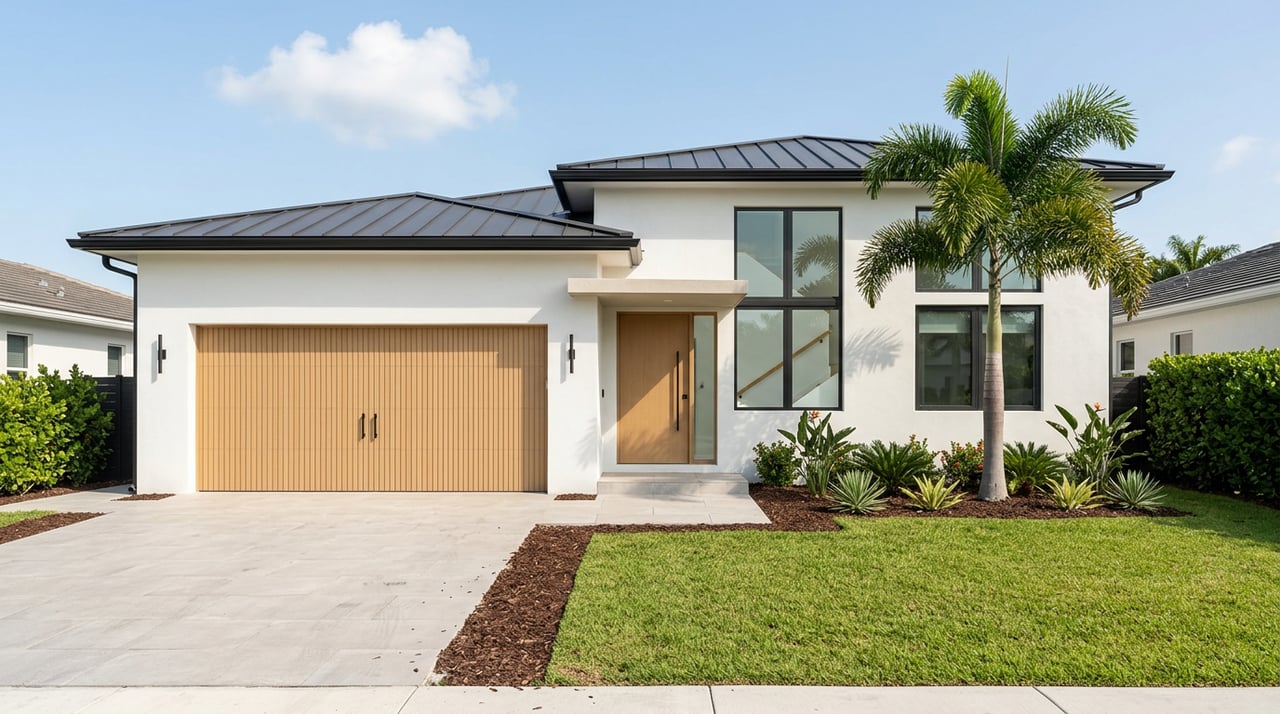
Local builder inventory shows that some Port St. Lucie homes are currently listed as "Now ready" or move-in ready. If your goal is to move sooner, this is often the most practical option.
Under-construction homes
An under-construction home sits in the middle. The home is already in progress, but you are still waiting for construction milestones, inspections, and final completion.
This option can offer a balance between timing and choice. Depending on the stage of construction, you may have fewer design decisions to make, but you may still get a newer home without waiting through the entire build process.
To-be-built homes
A to-be-built home is usually the longest timeline. You typically choose the floor plan, homesite, and sometimes design selections before construction is complete or even before it begins.
According to Pulte’s homebuilding overview, a new-construction home can take several months to a year depending on the builder and how far along the home is. That makes this option a better fit if you want more personalization and can stay flexible on timing.
What the buying process usually looks like
Start with tours and financing
You can shop for homes and financing at the same time. The Consumer Financial Protection Bureau recommends comparing loan choices while you search, which can help you understand your budget early.
If you are visiting a builder community, bring your buyer’s agent with you on the first visit. Freddie Mac notes that many builders require the agent to accompany you from the start, especially if you want your own representation throughout the process.
Choose the home and sign the contract
Once you decide on a community, homesite, or available home, the next step is usually the purchase agreement. Builder timelines often include choosing a floor plan and homesite, signing the agreement, making a deposit, and then moving into financing and design steps.
The CFPB also points out that builders may ask for earnest money on homes that are not yet built, and you should ask how deposit-return terms work before signing. Just as important, you do not have to use the builder’s preferred lender, according to the CFPB’s homebuying guidance.
Move through design and build milestones
Builder timelines often include a series of check-ins as the home progresses. Pulte describes a process that can include a construction manager introduction, inspections, a pre-drywall walkthrough, and a pre-closing orientation.
Those milestones matter because they help you see the home before walls are fully closed up and again before final closing. If you are building from an early stage, this part of the process can span months rather than weeks.
Prepare for closing
Closing is the final step, but there are still important details to manage. The CFPB says your lender must send the Closing Disclosure at least three business days before closing, giving you time to review the final numbers.
You should also inspect the home before signing and confirm that any agreed repairs or punch-list items have been addressed. Even if the home is brand new, the CFPB recommends scheduling an independent home inspection.
A realistic Port St. Lucie timeline
While every builder and home is different, most buyers can think about the process in phases rather than exact dates.
| Stage | What happens | Timing notes |
|---|---|---|
| Search and first tours | Tour communities, compare inventory, review financing | Can move quickly if you are focused and prepared |
| Contract and deposit | Select the home, sign agreement, review terms | Timing depends on builder process and lender readiness |
| Design and pre-construction steps | Finalize selections if allowed, begin loan process | More common with to-be-built homes |
| Construction period | Foundation, framing, mechanicals, inspections, walkthroughs | Often the longest phase and most likely to shift |
| Final walkthrough and closing | Review condition, receive Closing Disclosure, sign documents | Pre-closing orientation often happens 1 to 2 weeks before closing |
The key is to treat the timeline as a range, not a fixed promise. Builder materials note that delays can happen because of weather, materials, labor, scheduling conflicts, and inspection holdups, so estimated closing dates can move.
What can slow down a new build
Construction delays are normal
New homes follow a sequence, and each step depends on the one before it. If materials arrive late, labor schedules change, or weather affects job-site work, your closing date may shift.
That is why it helps to think in terms of estimated completion rather than guaranteed delivery. When you buy new construction, you are often buying into a timeline that can change as the home moves through the build.
Permits and inspections matter locally
In Port St. Lucie, timing is not only about what happens on-site. St. Lucie County explains that Port St. Lucie properties have city-specific permitting requirements, and the city permit portal handles permit applications, revisions, inspection scheduling, and permit status updates.
That local review layer can affect how quickly a home moves from one stage to the next. Even when construction itself is on track, permit and inspection scheduling can influence the final timeline.
Financing can affect your closing date
Your loan still needs to stay on schedule, even with a builder involved. Delays in documentation, underwriting, or final approval can create stress near the end if you are not prepared.
That is one reason many buyers benefit from staying organized from day one. Keeping your lender, builder, and agent aligned can make the process much smoother.
How your buyer’s agent helps keep things on track
A new-construction purchase is not always simpler than buying a resale home. It often involves builder contracts, timeline updates, walk-through milestones, and questions about deposits, lenders, and completion dates.
Freddie Mac recommends using your own agent for new construction, especially someone with experience in the process and local knowledge. In practical terms, that means you have someone helping you compare communities, understand what stage each home is in, and ask smarter questions before you commit.
A buyer’s agent can also help you ask about:
- Deposit-return terms
- Estimated completion-date language
- Builder lender options versus outside lender options
- Walkthrough timing and inspection opportunities
- What is included in the base price versus upgrades
That kind of guidance can be especially valuable if you are relocating or trying to line up a move from another home.
How to choose the right timeline for you
If you need to move quickly, start by looking at homes that are already complete or close to completion. If you want more choices and can be flexible, an under-construction or to-be-built home may give you a better fit.
The best timeline is not always the shortest one. It is the one that matches your budget, your move date, and how much uncertainty you are comfortable with during the process.
If you are considering new construction in Port St. Lucie, having local guidance can make the timeline feel much more manageable. Shelby Moise offers hands-on support for buyers who want clear communication, smart strategy, and expert help navigating new-construction options from the first tour to closing.
FAQs
How long does it take to buy a move-in-ready new construction home in Port St. Lucie?
- A move-in-ready home is usually the fastest option because construction may already be complete or nearly complete, which can shorten the path to closing.
How long does it take to build a new construction home in Port St. Lucie from scratch?
- A to-be-built home can take several months to a year, depending on the builder, the construction stage, and factors like weather, labor, materials, and inspections.
What affects a new construction closing date in Port St. Lucie?
- Common factors include construction progress, permit reviews, inspection scheduling, financing, materials, labor availability, and weather-related delays.
Should you use your own agent for new construction in Port St. Lucie?
- Yes, using your own buyer’s agent can help you compare builders, understand contract terms, track timeline updates, and ask important questions before and after signing.
Do you need a home inspection on a brand-new home in Port St. Lucie?
- Yes, buyers should still get an independent inspection on a new home before closing, even if the property is newly built.