Picture your weekends starting with coffee by the river, a midday paddle on the lagoon, and dinner at a cozy spot downtown. If that sounds like your kind of rhythm, Stuart could be a great fit. You want the small-city feel with easy water access and a calm pace, but you still need practical details about homes, commutes, schools, and storm readiness. This guide gives you a clear look at everyday life in Stuart and what to consider before you buy. Let’s dive in.
Where Stuart Sits and How It Feels
Stuart sits on Florida’s Treasure Coast at the meeting point of the St. Lucie River and the Indian River Lagoon. You are in Martin County, just north of Palm Beach County, with quick access to the Intracoastal Waterway and the Atlantic through the St. Lucie Inlet. The city’s scale is small, which gives you a walkable historic core and a relaxed coastal vibe.
Winters are mild and drier. Summers are hot and humid with afternoon thunderstorms. Hurricane season runs from June 1 through November 30. You can track seasonal guidance and storm preparedness through NOAA and local county resources.
If you want city services, events, and planning updates, the City of Stuart site is a helpful starting point. For countywide resources, visit Martin County government.
Neighborhoods and Home Types
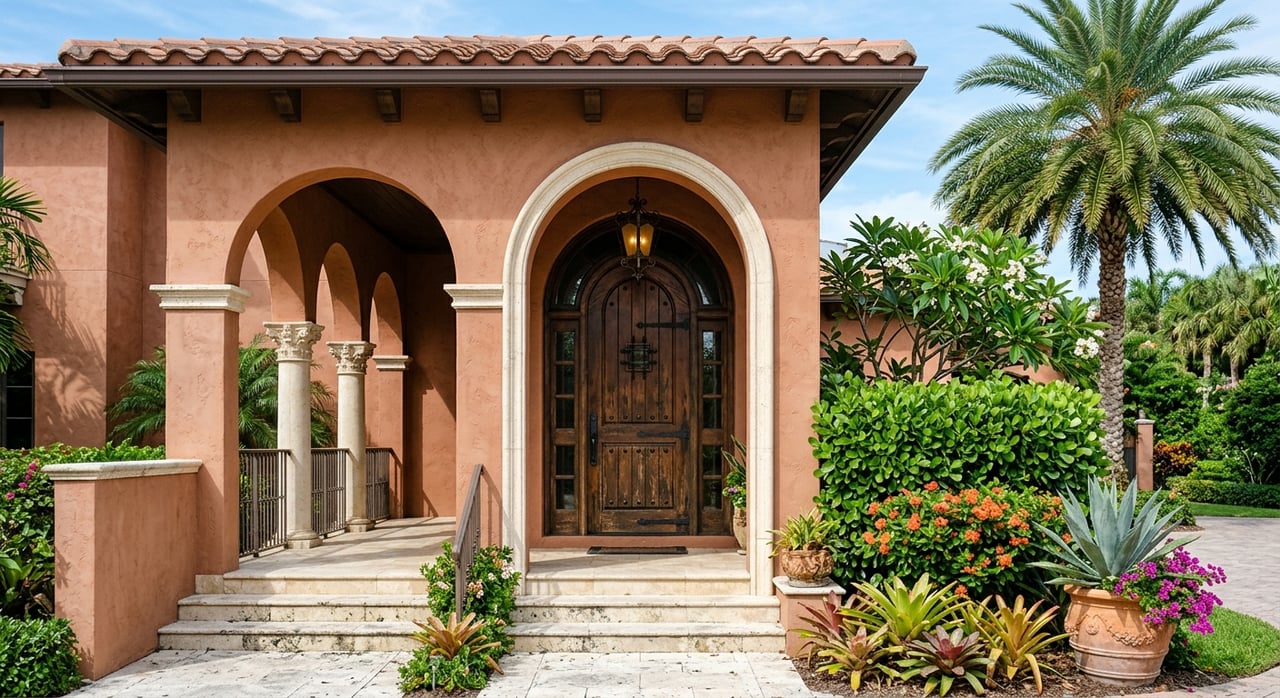
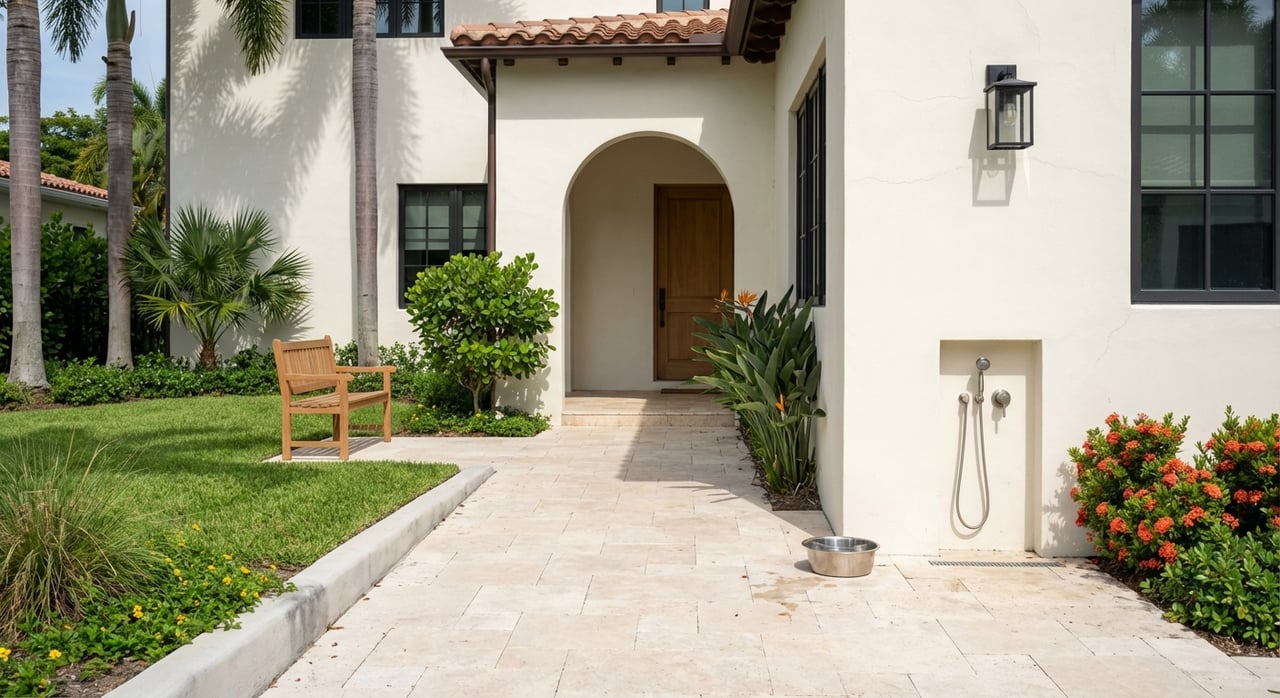
You will find a range of homes in Stuart. Your lifestyle and maintenance preferences will guide the best fit.
Waterfront single-family
These homes line the St. Lucie River, Intracoastal, and canal systems. They are prized for private docks and quick boat access. Expect higher maintenance needs and insurance considerations due to water exposure. Deeper water, dock size, and inlet access often influence pricing.
Riverfront and Intracoastal condos
Water-view condos deliver low-maintenance living with shared amenities. Some communities include marina facilities or nearby slips. These homes appeal to seasonal residents, retirees, and buyers who want boating access without yard work.
Downtown historic cottages
Close to restaurants, galleries, and the riverwalk, these smaller homes provide a walkable, small-town feel. You trade yard size for character and convenience. Renovated homes are common, so confirm permit history and upgrades during inspections.
Suburban communities and 55+
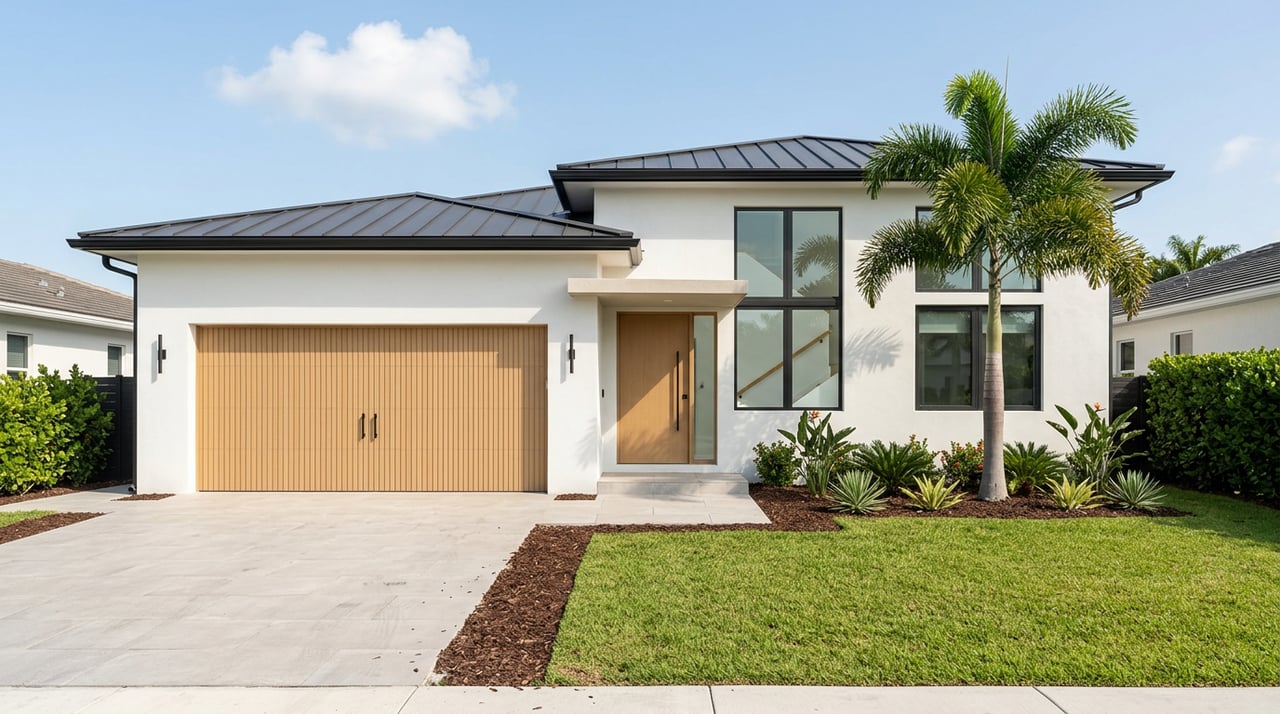
Newer planned neighborhoods offer larger lots, modern floor plans, and community amenities. Many buyers find these areas more affordable than direct waterfront. You will also see 55+ options with single-level homes and community centers designed for active adults.
For current market trends, Florida Realtors publishes statewide and local summaries that can help you track price and inventory shifts. You can explore updates at Florida Realtors.
Everyday Life by the Water
Water shapes daily life in Stuart. You have direct access to the St. Lucie River and the Intracoastal Waterway. Local marinas, boat ramps, and yacht clubs support a boating culture with fishing tournaments and waterfront events.
Boating basics
If you plan to keep a boat, consider slip availability, canal depth, and inlet conditions. Marina waitlists and dock-size restrictions can affect your timeline. For flood zones that may impact waterfront properties, check the FEMA Map Service Center before you make an offer.
Downtown dining and arts
Historic downtown is compact and walkable with restaurants, bars, boutique shops, and live music venues. The riverfront sets a welcoming scene for weekly strolls and community gatherings. City calendars and local arts groups keep things lively through the season.
Parks and beaches
You will find riverfront parks and green spaces for walking and morning runs. Barrier island beaches on Hutchinson Island and other Treasure Coast stretches are an easy drive. For local events and beach details, explore Visit Martin County.
Getting Around and Services
Commute and airports
This is a car-first region. Most residents rely on personal vehicles, with limited local bus service. If you work in Palm Beach County or farther south, plan for highway commutes on I-95 or US-1. Depending on destination and time of day, many residents budget 45 to 90 minutes or more for regional drives. Nearby airports include Palm Beach International to the south, with larger hubs in Fort Lauderdale, Miami, and Orlando.
Schools and learning
Public schools are operated by the Martin County School District. For enrollment and performance information, start with the Martin County School District and the Florida Department of Education report cards. You will also find private options, early childhood providers, and county libraries throughout the area.
Healthcare access
Local hospitals and clinics serve routine and emergency needs in Martin County. For specialized care, some residents travel to larger hospital systems in Palm Beach or Broward counties. Check current facility listings through Florida health agency and hospital system websites.
Internet for remote work
Most neighborhoods have mainstream cable or DSL. Fiber availability can vary by address. Before you sign a lease or contract, confirm speeds with providers and the FCC Broadband Map. Downtown cafés and some co-working spots support occasional meetings or focus sessions.
Costs, Taxes, and Insurance
Flood and hurricane factors
Many waterfront and low-lying properties sit in designated flood zones. Your lender may require flood insurance, and premiums can vary based on elevation, claims history, and construction features. Always verify a property’s flood zone through the FEMA Map Service Center and review wind-mitigation details like impact windows and roof condition.
Newer construction often performs better under Florida’s hurricane-focused building codes. During inspections, pay close attention to roof age, drainage, grading, seawalls, and pilings where applicable. If a property had prior storm damage, sellers may need to disclose known issues.
Taxes, HOAs, and permits
Florida has no state income tax, which many relocating buyers appreciate. For local property valuations and tax details, consult the Martin County Property Appraiser. If you are buying in an HOA or condo community, review dues, reserves, and insurance coverage for common areas. For renovations, docks, seawalls, or additions, confirm requirements through Martin County government and state environmental permitting.
Buyer Tips by Lifestyle
Boaters
- Prioritize deeper-water canals, existing dock condition, and proximity to marinas and fuel. Verify any dock-size limits and HOA rules. Ask about inlet conditions if offshore trips are part of your plan.
Remote workers
- Confirm fiber or cable at the address, and test speeds. Look for a quiet street, room for a dedicated office, and proximity to cafés or co-working options for meetings.
Retirees and 55+
- Consider low-maintenance condos, walkable downtown zones, and proximity to healthcare. Elevators, single-level floor plans, and covered parking can add daily convenience.
Families
- Focus on school zoning, nearby parks, and commute routes. Newer planned communities often offer pools, playgrounds, and sidewalks for easy routines.
Investors and seasonal owners
- Review city and county rules on short-term rentals, check seasonality trends, and analyze HOA restrictions that affect leasing. Confirm insurance and flood zone impacts on carrying costs.
A Day in Stuart
Morning starts with a stroll along the riverwalk and coffee downtown. By late morning, you are on the water for a quick paddle or to check the bite. In the afternoon, you browse local shops, then catch live music as the sun sets over the river. Winter season brings more events and visitors, while summer lowers the pace and opens more tables at your favorite spots.
Next Steps
If Stuart’s mix of riverfront charm and practical convenience fits your goals, it helps to have a local guide who understands new construction, relocation timelines, and waterfront due diligence. From dock permits and flood zones to builder negotiations and marketing a sale, you deserve a detail-first approach. When you are ready to tour neighborhoods or map a plan, connect with Shelby Moise for personalized guidance.
FAQs
Is Stuart mainly seasonal or year-round?
- Stuart supports a strong year-round community, with a busier winter season as snowbirds arrive and event calendars fill through the peak months.
How walkable is downtown Stuart?
- The historic core is compact and pedestrian friendly, with restaurants, shops, galleries, and riverfront spaces located within a few blocks of each other.
What should boaters know before buying?
- Confirm canal depth, dock size limits, marina waitlists, and inlet conditions, and check flood zones through the FEMA Map Service Center.
What is the typical commute like from Stuart?
- Most residents drive on I-95 or US-1, and many plan for 45 to 90 minutes or more for trips into larger South Florida employment centers depending on time of day.
How are the schools in the Stuart area?
- Review performance data and enrollment details on the Martin County School District site and the Florida Department of Education report cards.
What should I budget for taxes and insurance?
- Florida has no state income tax, and property taxes vary by valuation; the Martin County Property Appraiser and your insurer can help you estimate annual costs, including flood coverage if required.